
Easy to enter
Citizens of many countries only need an e-visa, applied for online without a trip to an embassy.
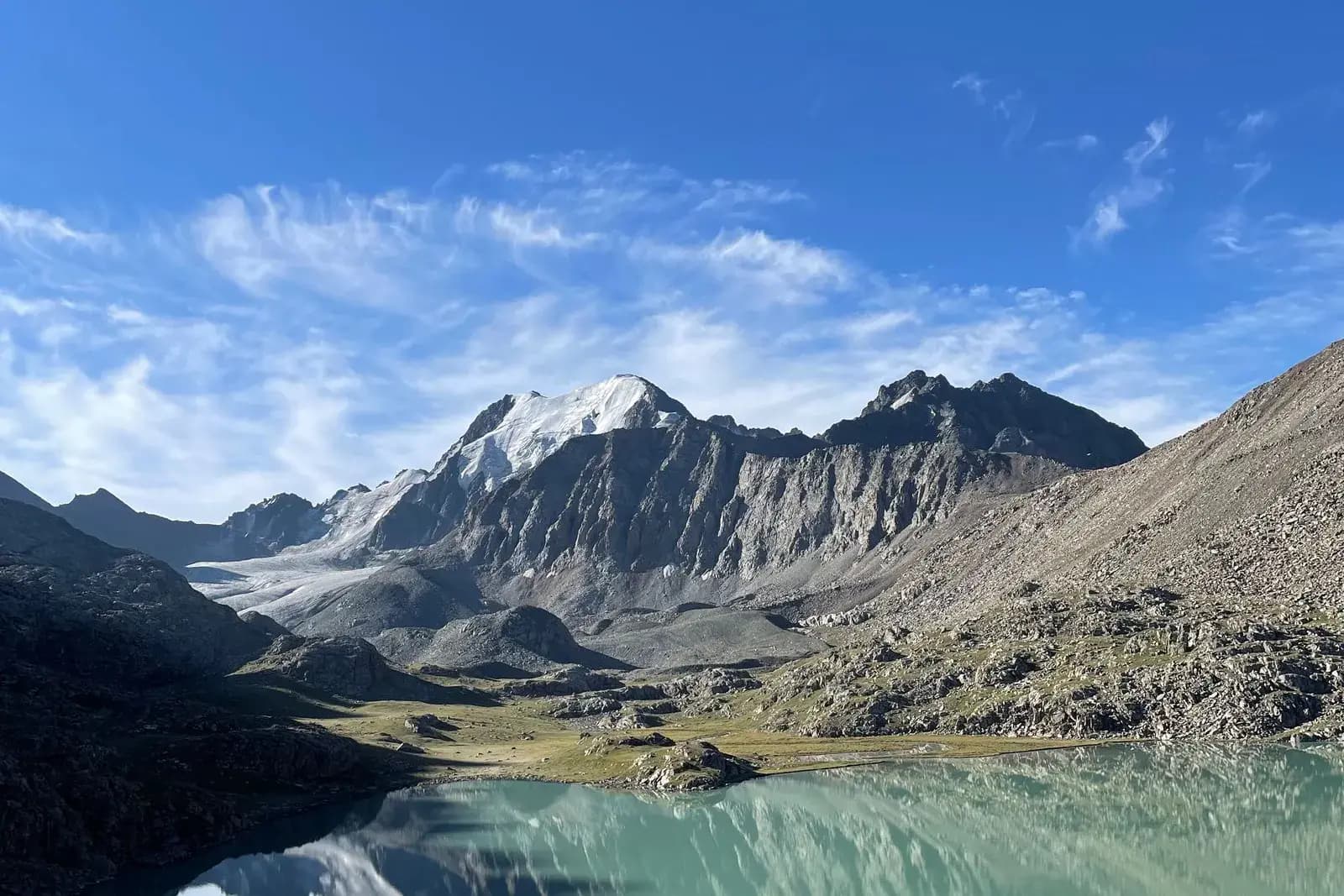
Mountains, lakes, gorges and a unique culture, unforgettable journeys through the country’s most scenic places.
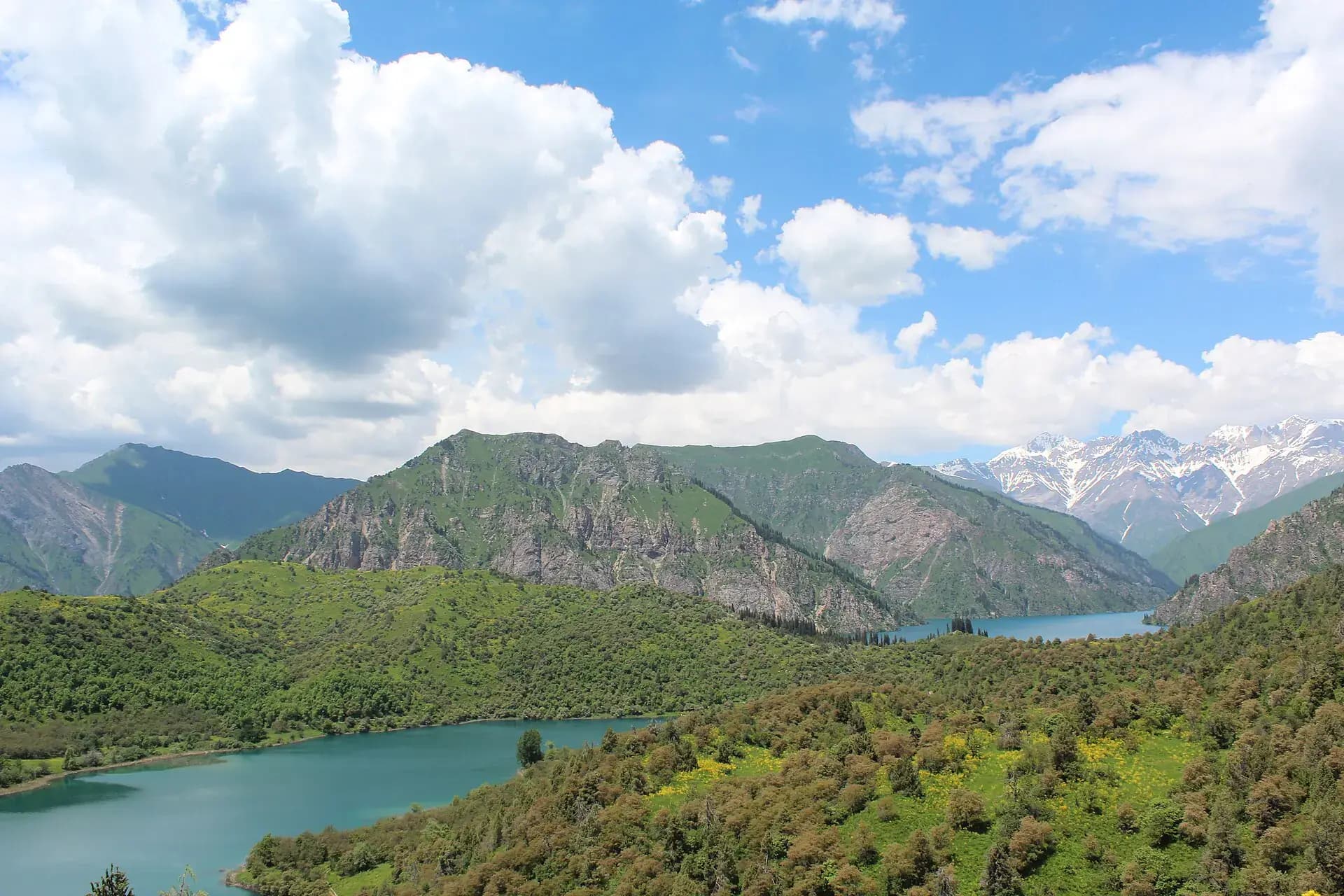
A small country with the highest concentration of mountains in Central Asia, and an easier entry than most of its neighbours.
Citizens of many countries only need an e-visa, applied for online without a trip to an embassy.
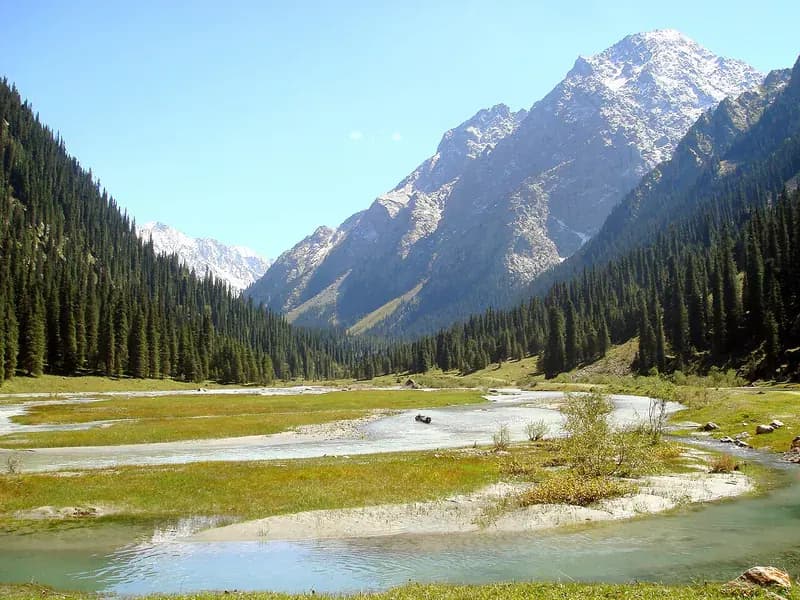
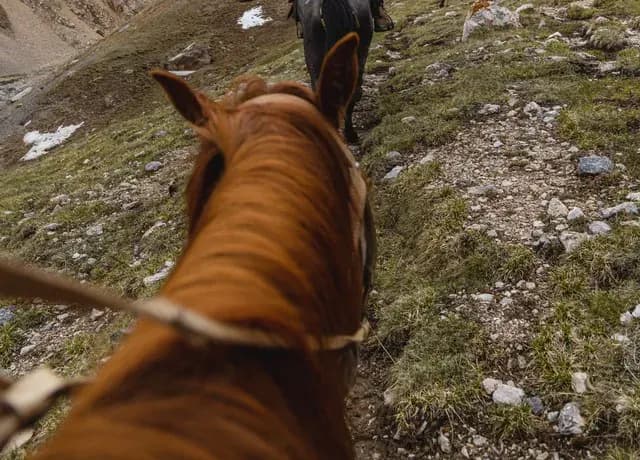
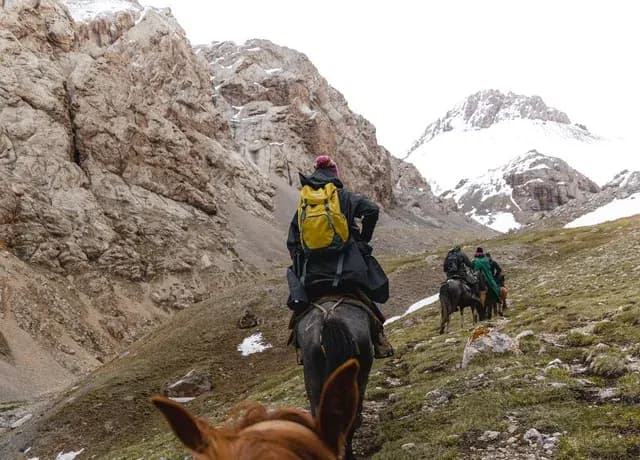
The Tian Shan and Pamir-Alay, from 3,000–4,000 m passes on foot to summer jailoo pastures half an hour off the paved road.
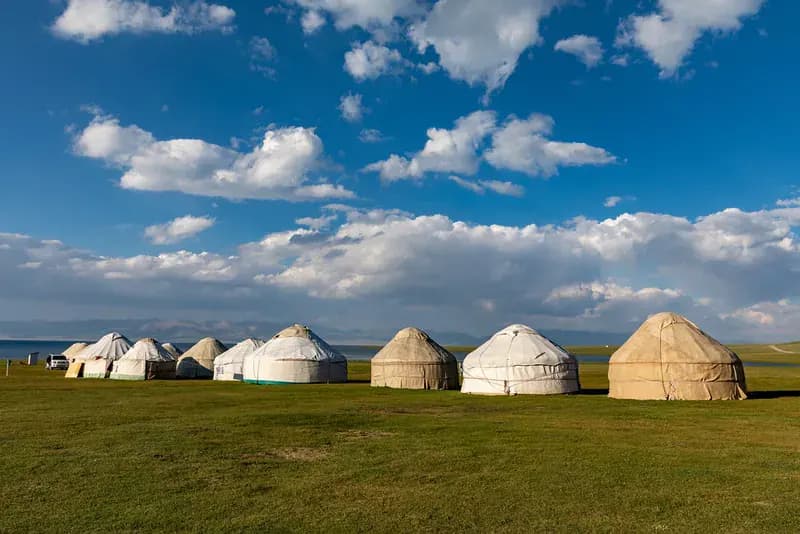
A guide, transport and a yurt camp cost a fraction of a comparable route in Europe or Nepal.
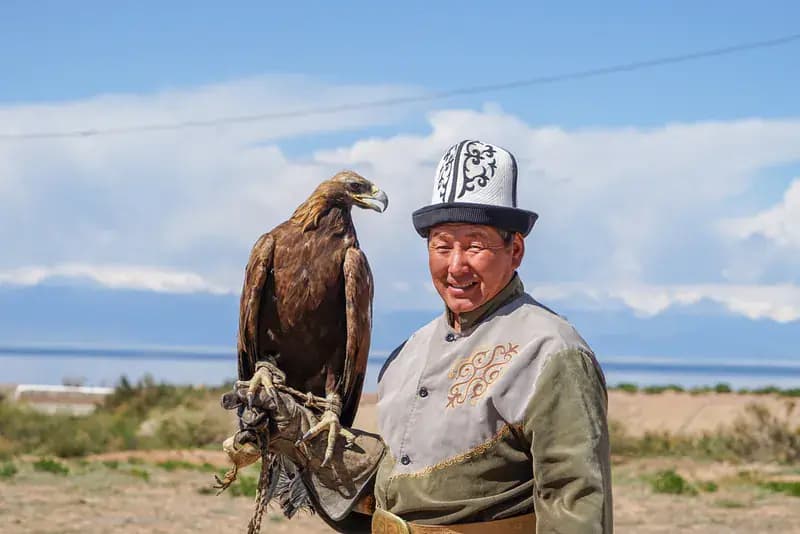
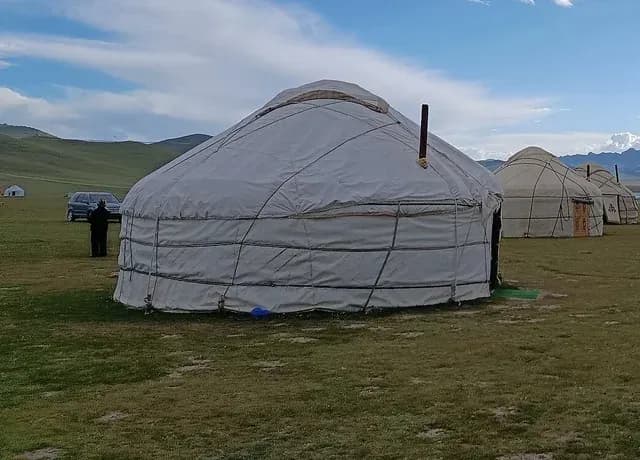
Yurts, felt-making, eagle hunters and horse games are not a museum re-enactment, it is how part of the country still lives every summer.
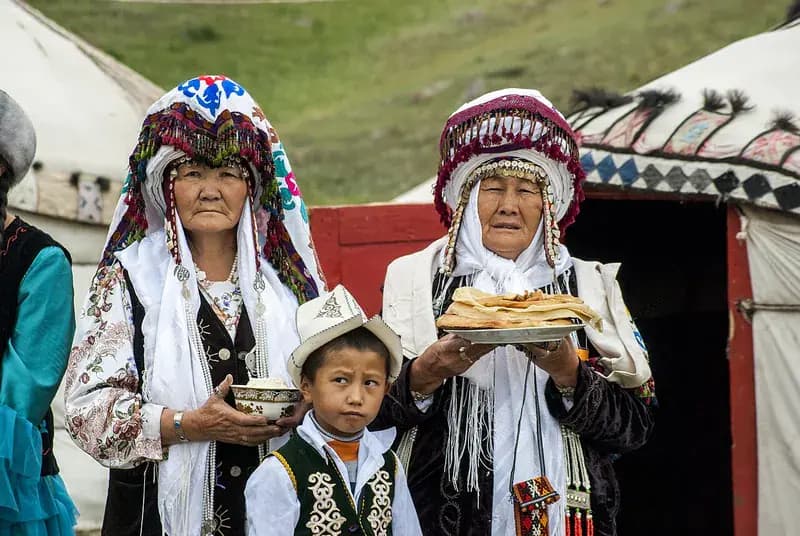
The Kyrgyz saying "a guest is a gift from God" holds up in practice: tea and conversation await in any home along the route.
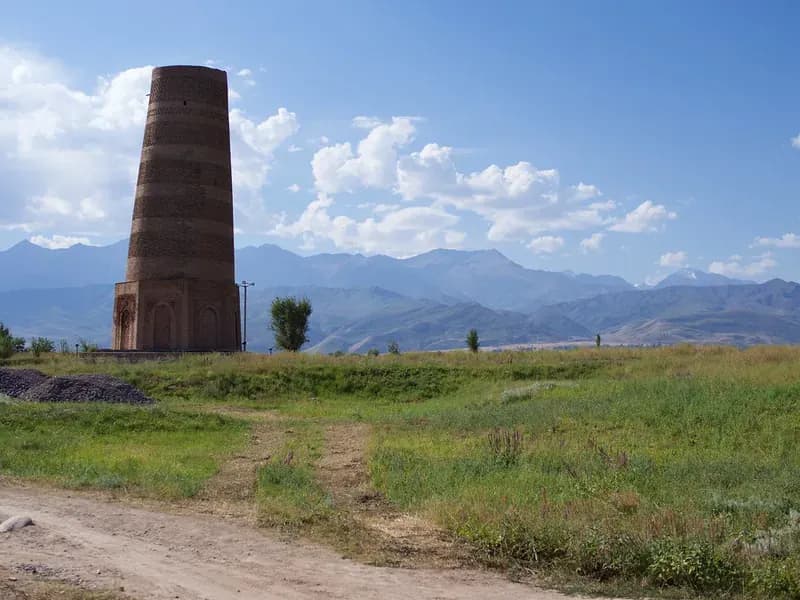
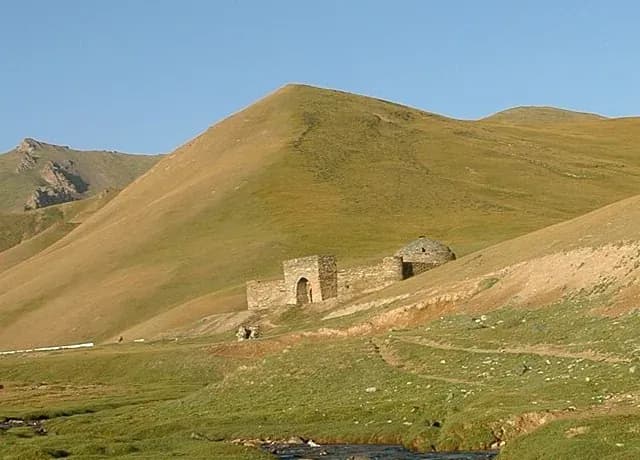
The Burana tower, the Tash Rabat caravanserai and petroglyphs around Issyk-Kul, the country was a crossroads, not a periphery.
Photos: Элдин беги, skyseeker, Ondřej Žváček, Ninara, kalpaktravel, Theklan, Laurent de Walick, CC BY / CC BY-SA, Flickr and Wikimedia Commons.
Guided routes by our own team, from day trips out of Bishkek to week-long treks. We can arrange the visa together with the tour.
7 tours
Bishkek – Burana – Cholpon-Ata – Jeti-Oguz – Karakol. Lake days, petroglyphs and the red canyons of the south shore.
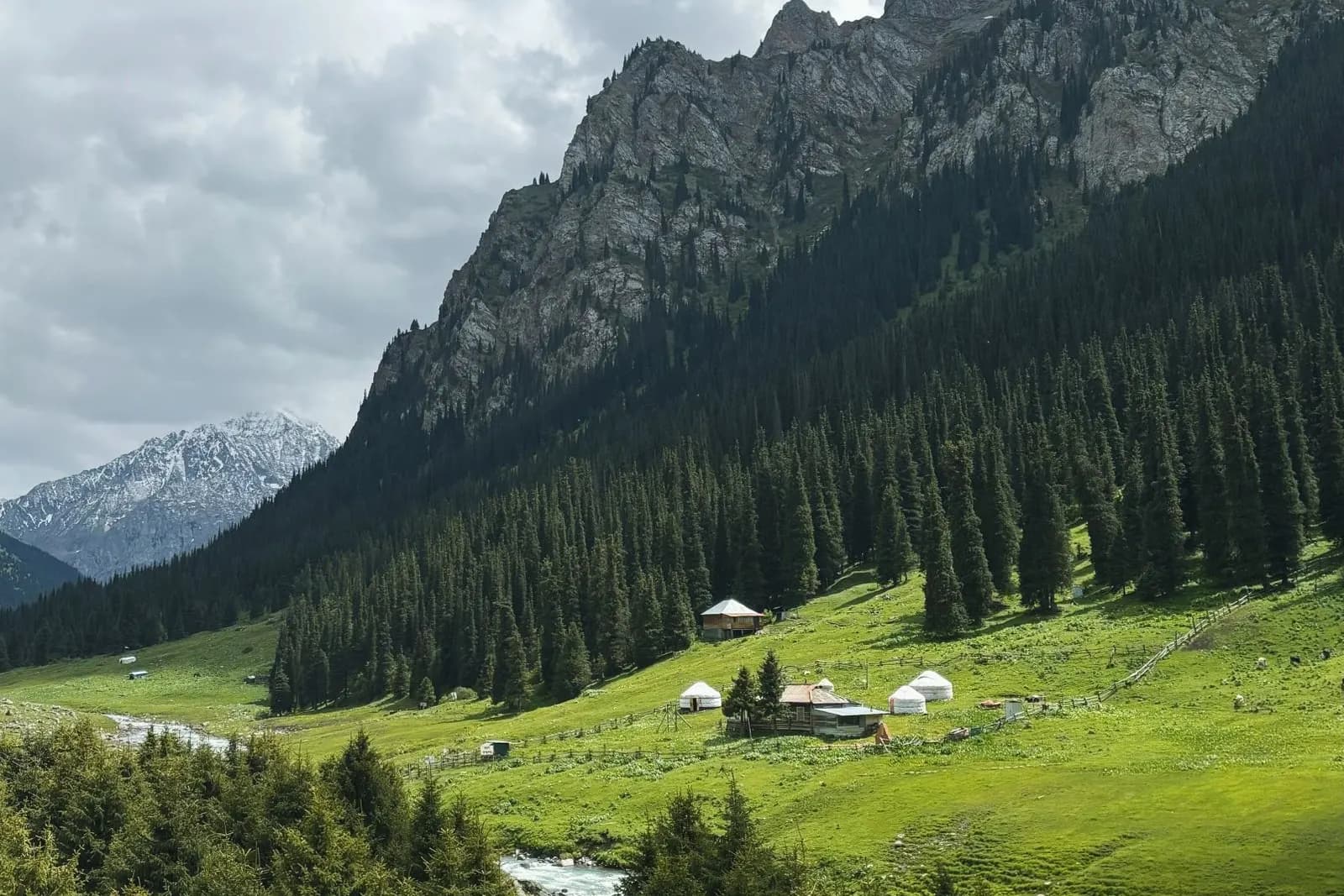
The turquoise lake at 3,560 m, the Ala-Kul pass and the hot springs of Altyn-Arashan.
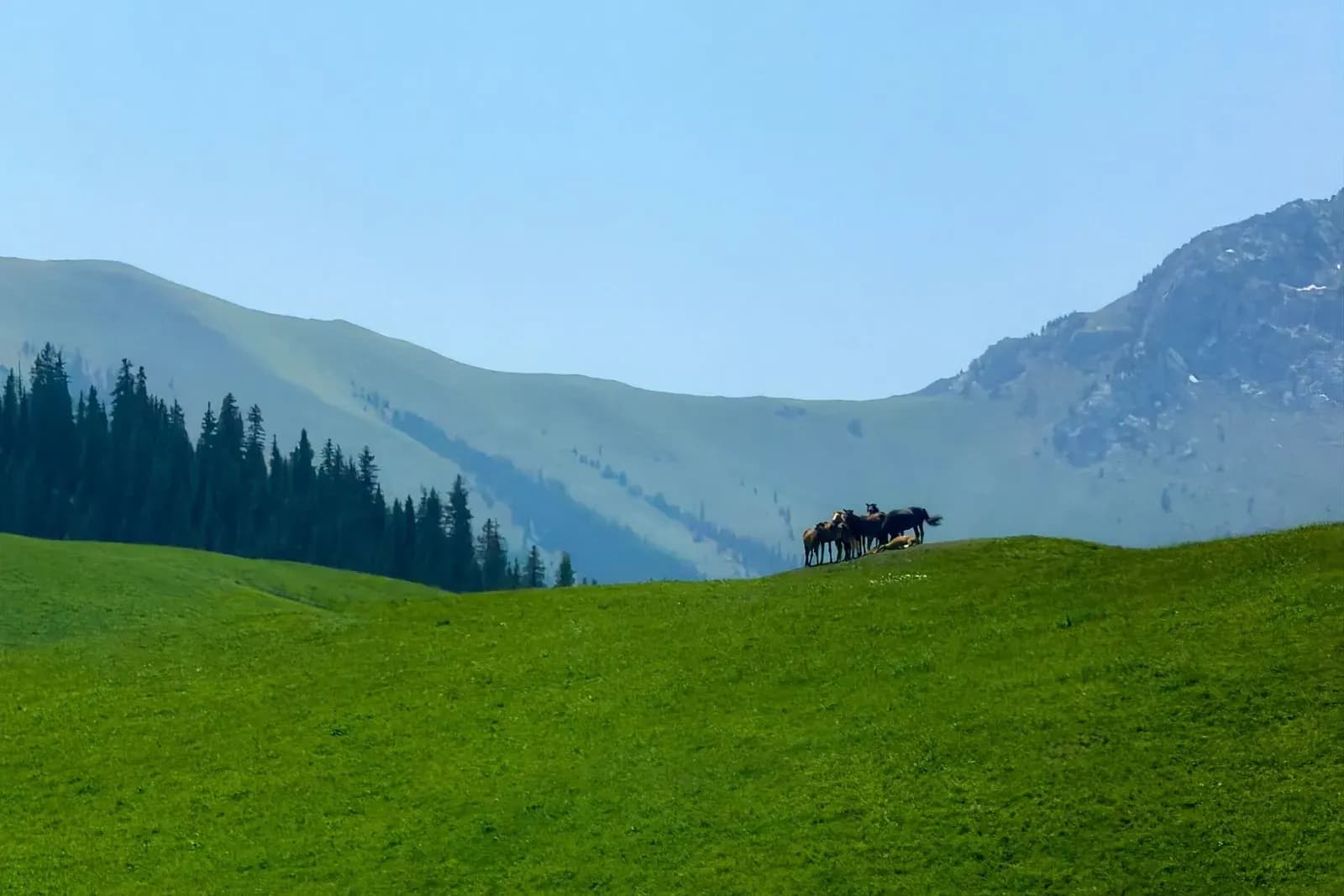
Three days in the saddle across the summer pastures, two nights in a nomad yurt camp at 3,016 m.

Sulaiman-Too, the oldest bazaar in Central Asia, Uzgen minaret and the Alay valley.
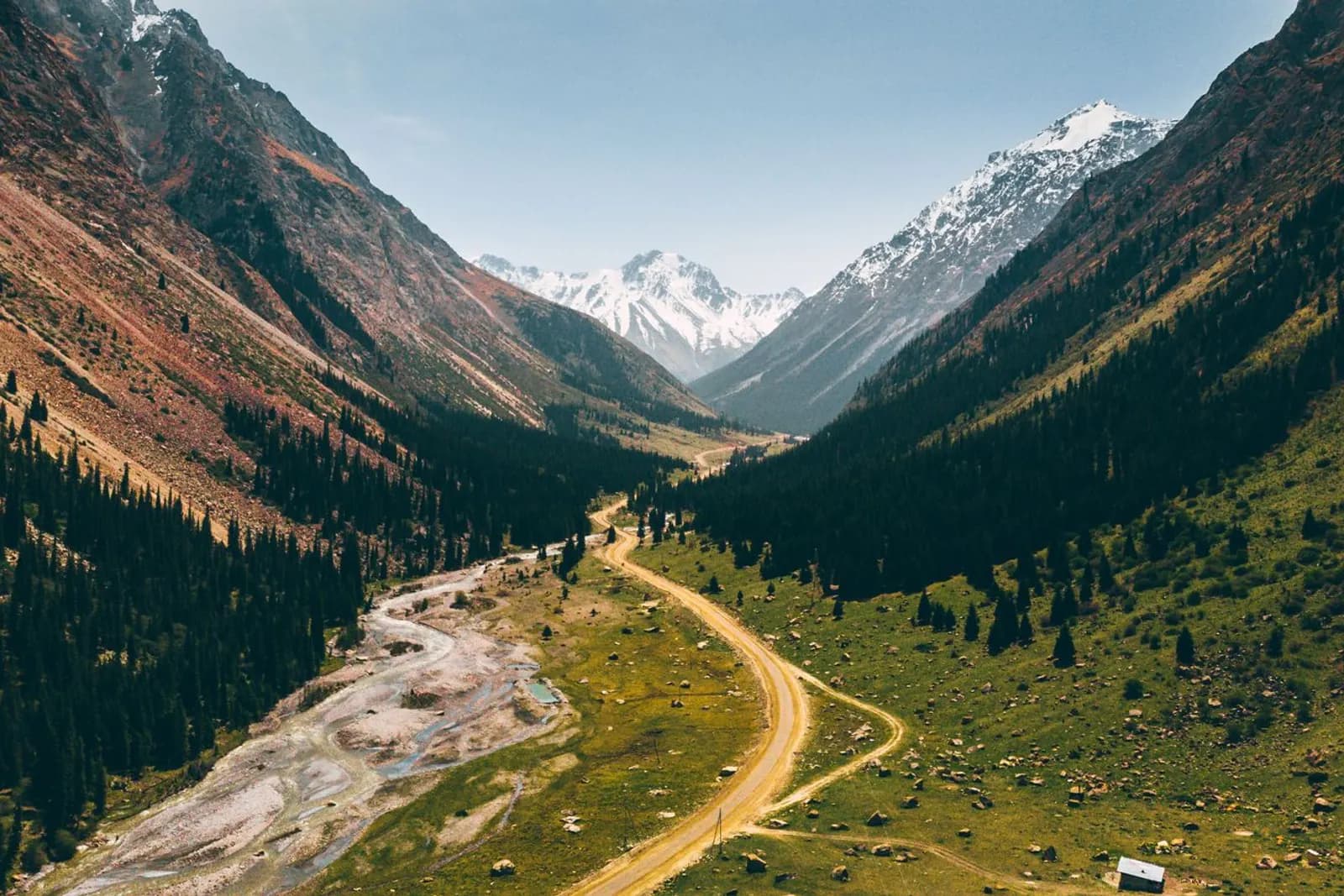
The red sandstone "Seven Bulls" cliffs and the "Broken Heart" rock, a short walk from Karakol.
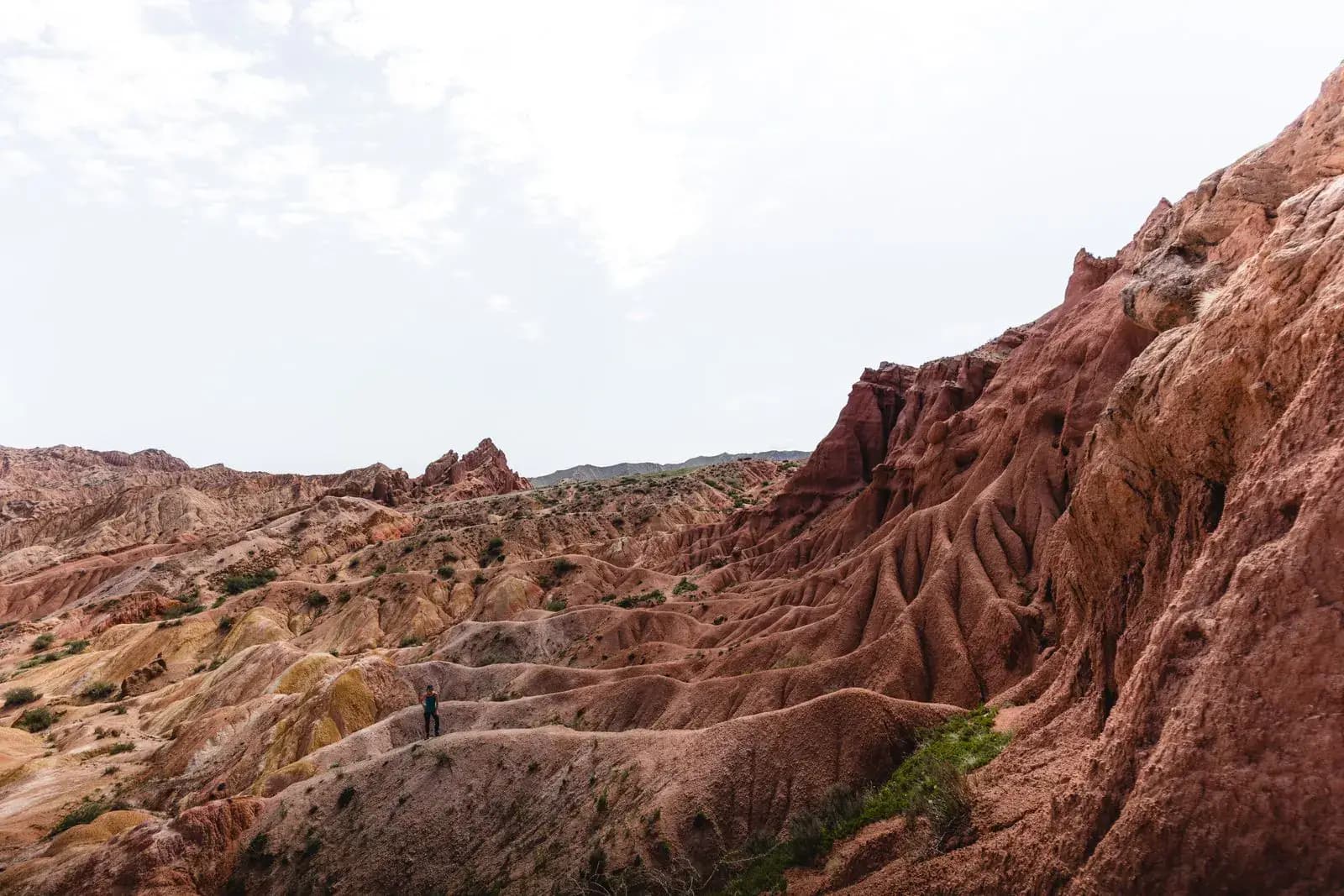
Wind-carved red and orange rock formations on the south shore of Issyk-Kul, best at sunset.
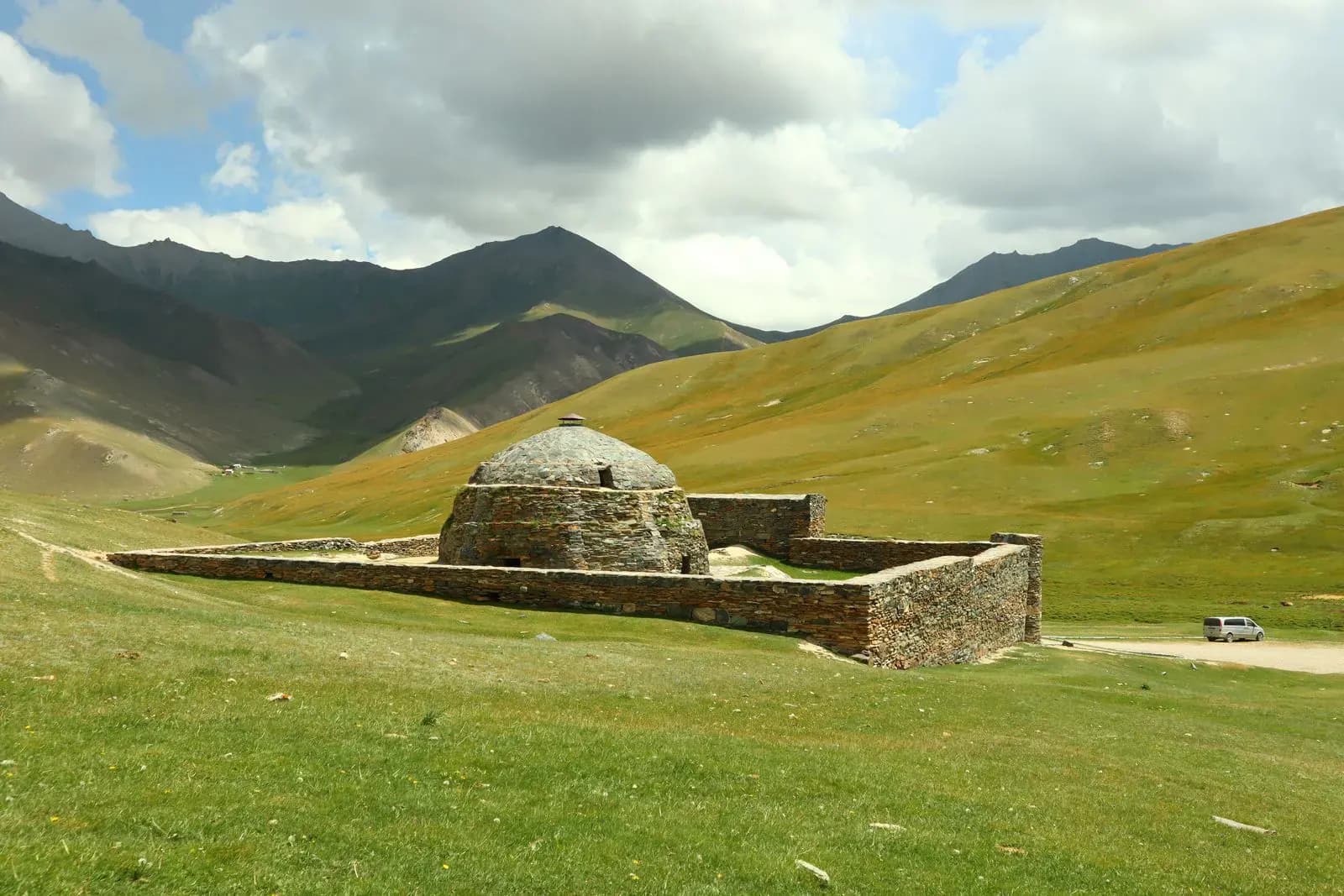
A 15th-century stone caravanserai high in the Naryn mountains, once a stop on the Silk Road toward Kashgar, and the alpine lake Chatyr-Kul nearby.
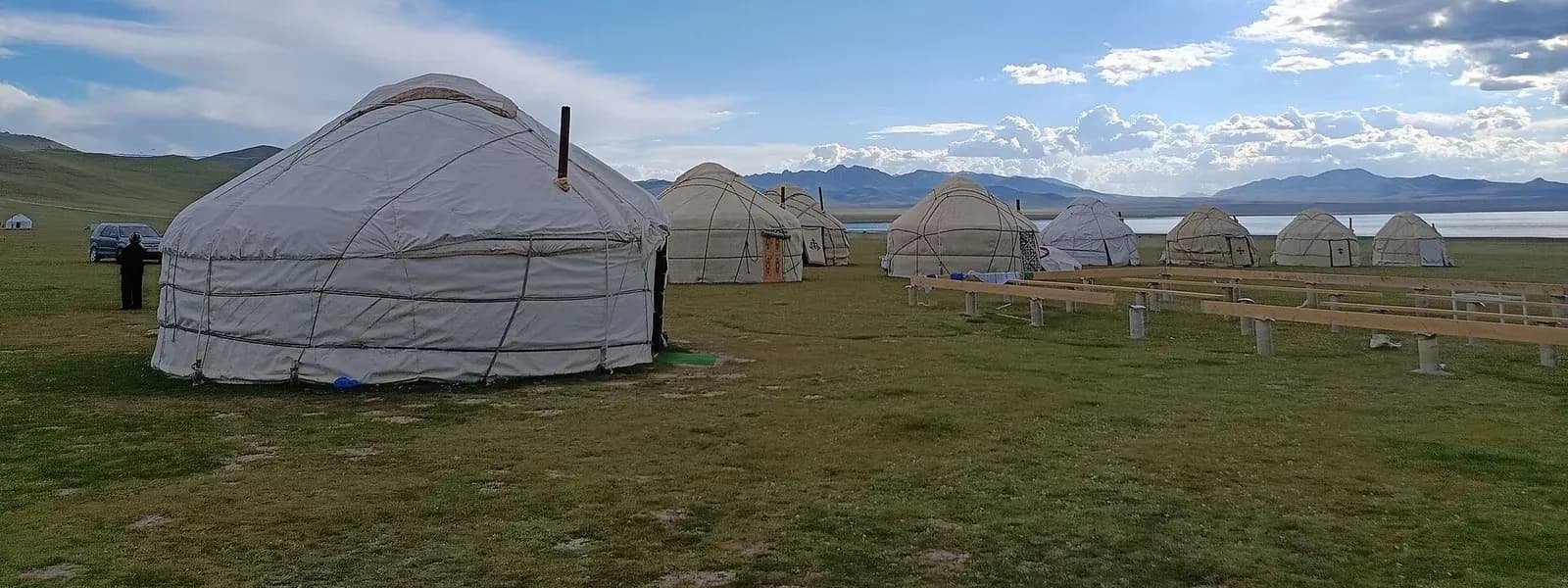
From the Yenisei Kyrgyz to today's republic, one of the longest continuous lineages among Turkic peoples.
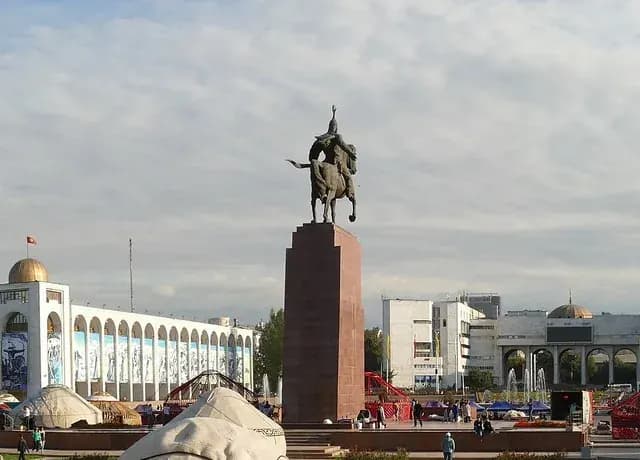
The oral epic of the hero Manas is one of the longest in the world, hundreds of times longer than the Iliad. Manaschi storytellers passed it down from memory across generations – it is now on UNESCO's intangible heritage list.
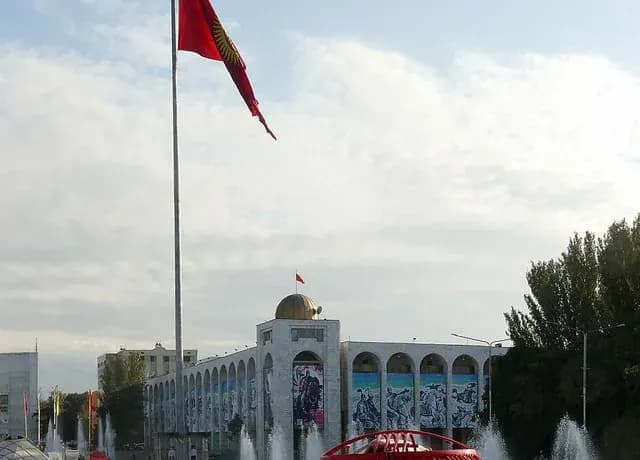
The 40-ray sun on the flag stands for the tribes united by Manas – the pattern at its centre repeats the tunduk, a yurt's smoke opening, still the country's central symbol, from the coat of arms to airline logos.
Chinese chronicles mention a people on the Yenisei river as early as the 2nd century BCE – ancestors of the Yenisei Kyrgyz, whose name the modern nation carries.
After defeating the Uyghur Khaganate in 840, the Kyrgyz controlled a large part of Central Asia and southern Siberia for two centuries.
Kyrgyz tribes gradually move from the Yenisei to the Tian Shan, shaping the nation's modern territory, nomadic herding and clan structures define life well into the 20th century.
By 1876, the territory of modern Kyrgyzstan had become part of the Russian Empire, within the Turkestan Governorate.
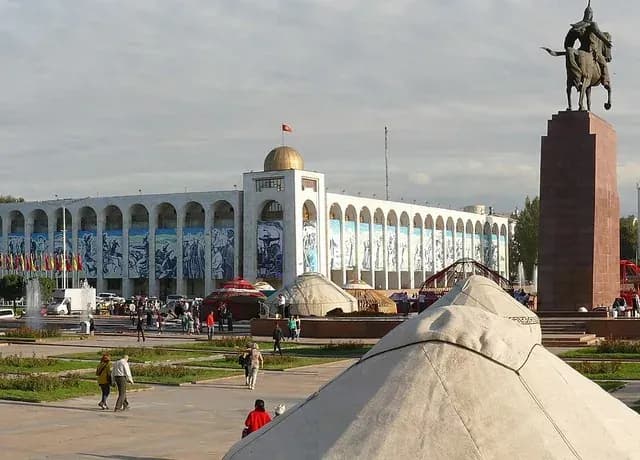
As a union republic, the country went through industrialisation and the shift from nomadic to settled life, most of today's cities and roads date from this period.
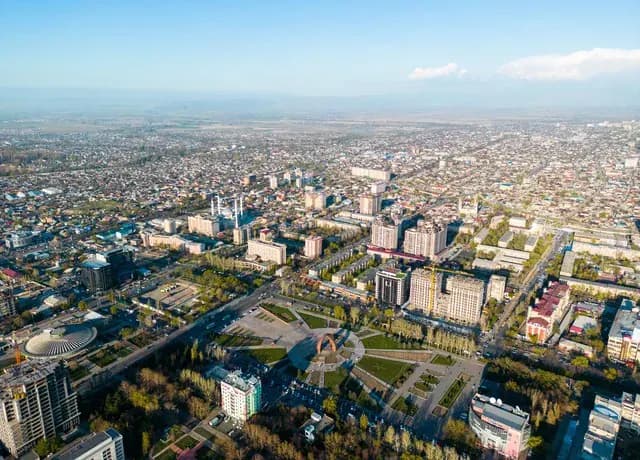
On 31 August 1991 Kyrgyzstan declared independence. Today it is a parliamentary republic, a rarity for the Central Asian region.
Dates follow mainstream historiography in a simplified form, for precise academic references, consult specialist sources.
A great history lives on in every one of us